

Sai Gon, 10 Feb 2026. In Vietnam today, many fleets still follow a fixed mileage limit approach for tire replacement as a way to simplify fleet management. While this method offers short-term administrative convenience, it comes at the cost of removing tires prematurely once the mileage threshold is reached, even when usable tread remains, resulting in a failure to optimize Total Cost of Ownership (TCO). Over the long term, this practice drives fleets to favor lower-priced tire options that fit their preset mileage limits, while overlooking the inherent benefits of higher-quality tires, such as longer service life, improved fuel efficiency, enhanced safety, and better ride comfort.
Key Challenges Facing Vietnamese Fleets
Shrinking profit margins
Freight rates are under constant pressure while fuel, tire, and maintenance costs continue to rise, forcing fleets to tighten control over every cost component.
Growing fleet size
As the number of vehicles and tires increases, management based on experience and fixed mileage rules becomes ineffective—especially for fleets operating across multiple routes and branches.
Increasing vehicle downtime
Unplanned tire-related incidents lead to more downtime, disrupting delivery schedules, increasing operating costs, and damaging customer trust.
The need to professionalize without a clear roadmap
Many fleets recognize the need to upgrade toward more structured, data-driven management, but lack clarity on where to start and which solutions can deliver real, measurable impact.
Increasing vehicle downtime
Unplanned tire-related incidents lead to more downtime, disrupting delivery schedules, increasing operating costs, and damaging customer trust.
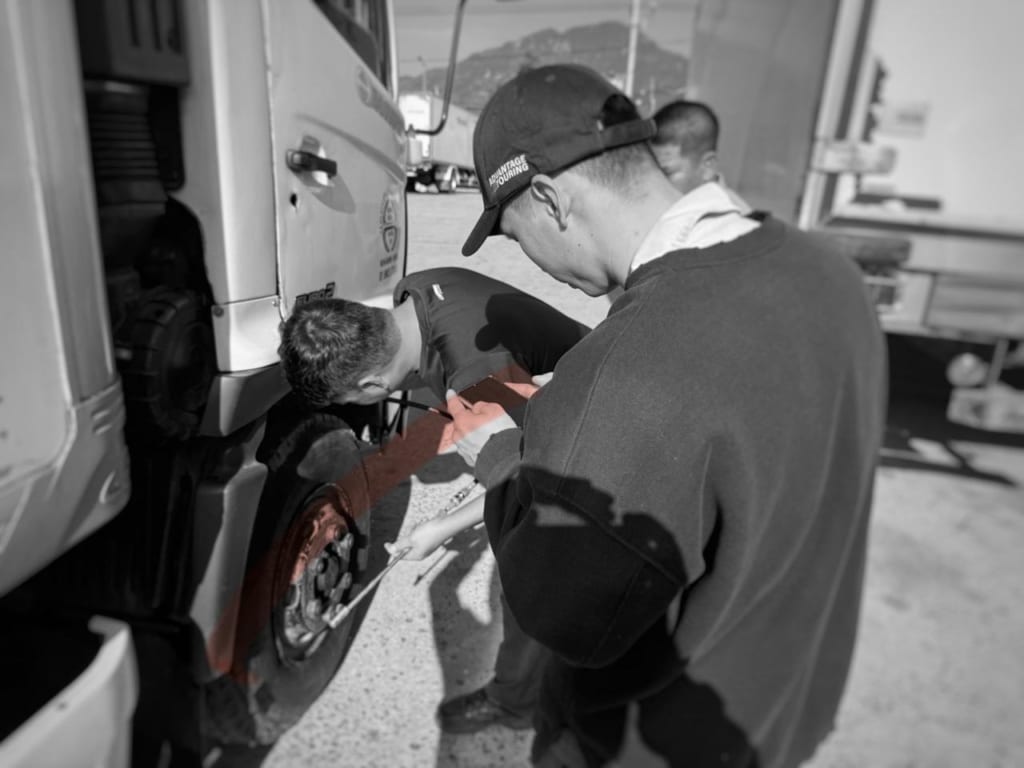
How Service Providers Create Real Value for Truck Fleets
A professional tire service provider, supported by software, helps fleets simplify tire management and turn complexity into clear, actionable decisions:
- Centralized tire management through a single dashboard All tire data—across vehicles, positions, and branches—is consolidated into one dashboard, giving fleet managers instant visibility without manual tracking or spreadsheets.
- Early detection of tire-related issues Regular inspections and data tracking enable early identification of tire damage such as cuts on the tread surface or sidewall injuries, reducing the risk of failures and unplanned downtime.
- Lower CPK through data-driven rotation recommendations By analyzing tread wear patterns, service providers can recommend timely tire rotation instead of premature replacement, helping fleets optimize tire usage and reduce cost per kilometer.
- Predictable tire costs in the coming months Based on wear rates and utilization data, fleets can forecast tire replacement needs one to two months in advance, improving budgeting, procurement planning, and cash flow control.
- Clear replacement decisions by branch, vehicle, and tire position Fleet managers know exactly which tire needs replacement, on which vehicle, at which position, and in which branch—making tire management structured, transparent, and easy to execute.

